October 30, 2026
After a car accident, getting back behind the wheel involves more than making a damaged bumper look new. A collision can affect body panels, alignment, lights, and electronic safety equipment, sometimes without leaving obvious signs. Understanding how collision repairs are evaluated and completed can help vehicle owners make informed decisions about their next steps.
Rear-end crashes are a common reason drivers seek collision repairs. According to CARFAX, 60.7% of reported accidents with an identified collision type were rear-end collisions. While some cause only minor visible damage, others can affect components beneath the bumper. A careful repair process considers both appearance and vehicle function before the car returns to regular use.
Assess the Full Extent of Collision Damage
The process begins with an assessment of the areas affected by the impact. Technicians look for dents, cracked paint, displaced panels, broken lights, and gaps that no longer line up as expected. They also consider where the vehicle was struck and whether the damage suggests that parts underneath need further examination.
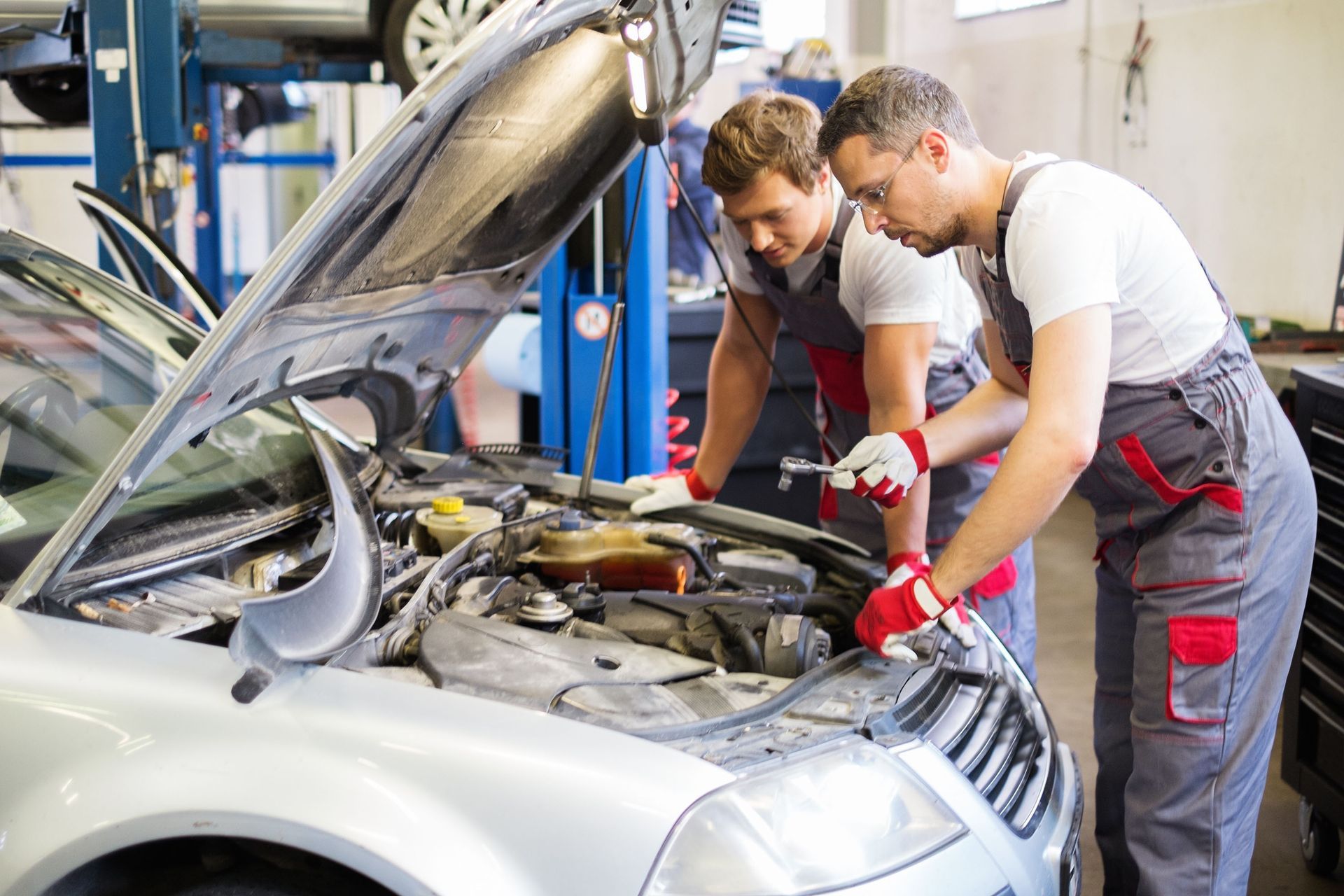
At an auto body shop, technicians may find that a rear bumper cover has sprung back into shape after a low-speed impact, concealing damage to its mounting brackets or energy-absorbing components. Likewise, a seemingly small hit near a wheel can warrant a closer look at the suspension. The extent of any inspection depends on the accident and the vehicle's design.
Photos, measurements, and diagnostic checks can help document what technicians find. When damage cannot be evaluated without removing a part, they may explain why additional disassembly is needed. Identifying the affected areas early helps prevent overlooked problems from interrupting repairs later.
Prepare a Clear and Practical Repair Plan
Once the initial damage is understood, the next step is deciding what needs repair, what requires replacement, and whether another qualified service provider should handle specialized work. The plan may cover replacement parts, bodywork, refinishing, and inspections related to the collision. Each step should reflect the vehicle manufacturer's repair information when applicable.
A useful estimate separates labor, parts, materials, and any anticipated outside services. If an insurance claim is involved, an auto body shop may provide photographs and documentation to support the review. The insurer's approval process, parts availability, and discoveries made during disassembly can all affect the final scope and timeline.
Vehicle owners benefit from asking which repairs are necessary for function, which are cosmetic, and what could change the estimate. Shops should communicate new findings before moving forward with additional work. That clarity helps customers understand the work being authorized without assuming that every accident requires extensive repairs.
Repair or Replace Damaged Exterior Panels
Damaged panels do not always need to be replaced. A shallow dent in an accessible area may be repairable, while a severely creased panel or one with damage in a critical location might require another approach. Technicians consider the material, damage depth, location, and the manufacturer's guidance before recommending a method.
Depending on the damage, work at an auto body shop can involve straightening a panel, repairing an appropriate surface, replacing a damaged component, or preparing the area for refinishing. Paintless dent repair may be suitable for certain dents when the finish is intact and the metal or panel can be reshaped without compromising its condition. It is not an option for every impact.
Fit matters as much as appearance. Doors, hoods, and trunk lids should open and close normally, and repaired panels need appropriate clearances. Technicians also check attached trim, clips, and weather seals where relevant. Small details can affect water intrusion, wind noise, and how well the repaired area holds up.
Evaluate Structural Damage and Wheel Alignment
Some collisions transfer force beyond the visible bodywork. When the impact or inspection findings suggest structural damage, properly equipped technicians use approved measuring procedures to evaluate affected areas. The repair method depends on the vehicle's construction and the type of material involved; not every part can safely be straightened or reused.
Wheel alignment may also need attention after a curb strike or an impact near a wheel. Uneven tire wear, a steering wheel that sits off-center, or a vehicle that pulls to one side can point to an issue, although these symptoms have other possible causes. A measurement against manufacturer specifications helps identify whether adjustment or component repair is needed.
Not every auto body shop performs structural measurement or alignment in-house. Some coordinate these services with properly equipped specialists. What matters is that any necessary checks are completed and documented rather than assuming that an improved exterior appearance means the vehicle's underlying systems are unaffected.
Inspect Mechanical and Electronic Safety Features
Even when the body damage is the most noticeable result of a crash, technicians should consider whether the impact affected other systems. Depending on the collision, inspections may involve lights, tires, brakes, suspension parts, cooling components, or visible fluid leaks. Problems outside the body shop's capabilities should be referred to appropriately qualified technicians.
Modern vehicles may also have cameras, radar units, parking sensors, and other driver-assistance equipment mounted near commonly damaged areas. Some repairs, including certain bumper or windshield replacements, can require inspections or calibration under the manufacturer's procedures. Reconnecting a sensor does not necessarily establish that it is positioned and operating correctly.
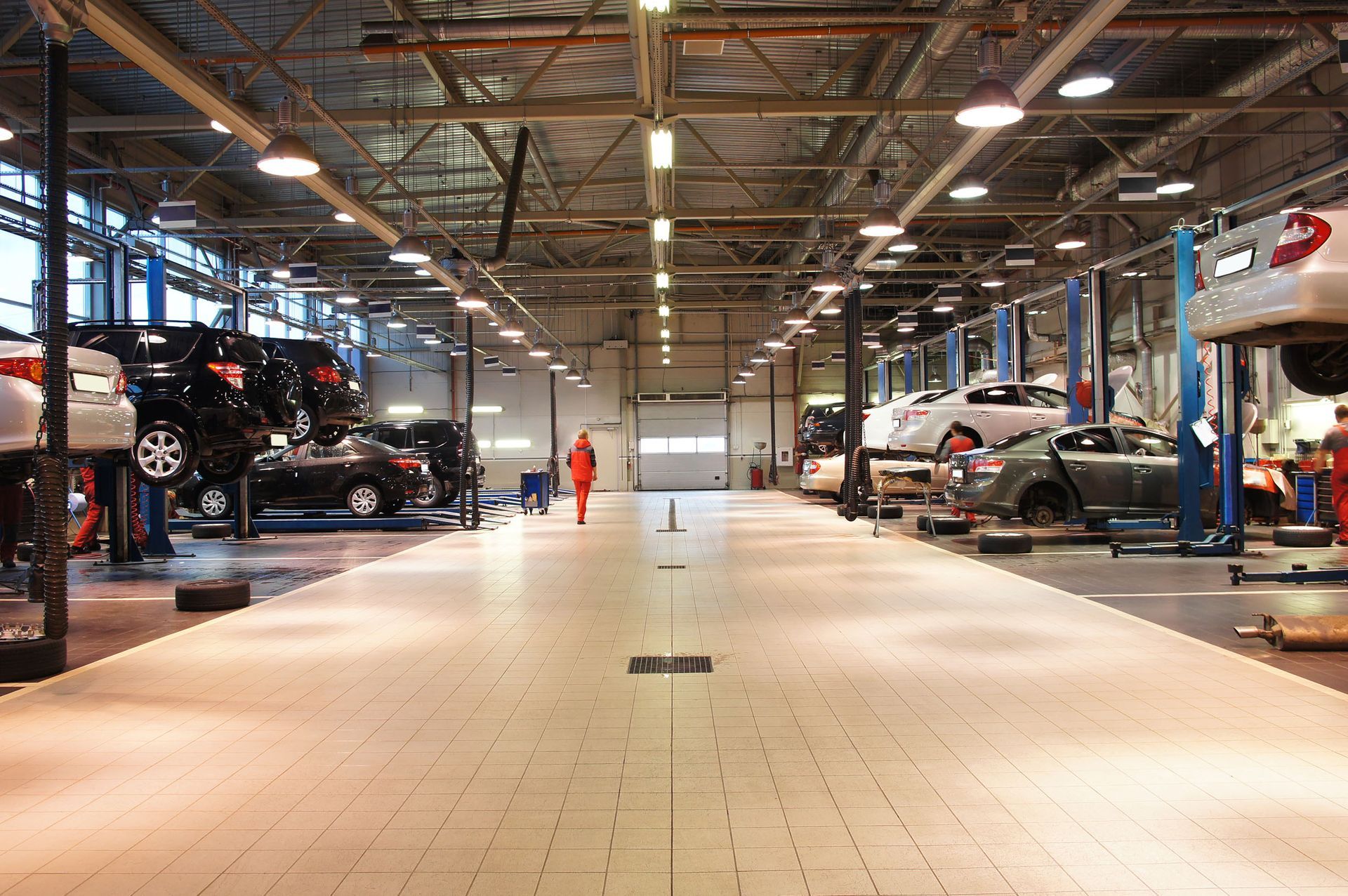
At this stage, an auto body shop may coordinate diagnostic scans, calibration, and mechanical checks with the relevant service providers. Airbags and seat belt pretensioners also require appropriate evaluation after certain impacts, particularly if a restraint deployed or a warning indicator appears. These tasks should follow vehicle-specific repair requirements rather than a universal checklist.
Restore the Paint Finish and Protect Repaired Surfaces
Once the necessary bodywork is complete, refinishing helps restore the repaired area's appearance and protective finish. Paint color can vary slightly with age, exposure, and the angle of light. Technicians may use color formulas, spray-out samples, and blending techniques to achieve a close match with surrounding panels.
Surface preparation is just as important as the final color. Appropriate cleaning, priming, coating, and curing steps help paint adhere correctly. Where repairs expose metal or disturb factory protection, corrosion-control procedures may also be needed. Skipping those steps can leave a repaired surface more vulnerable to deterioration.
Before the vehicle is returned, an auto body shop should examine the finish under suitable lighting for obvious color differences, overspray, or other visible imperfections. A realistic goal is a durable repair that meets the agreed scope, not a promise that every repaired section will be indistinguishable under all conditions.
Verify the Work Before Vehicle Pickup
Final checks bring together the different parts of the repair process. Technicians can confirm that replacement components are secure, panel gaps are consistent, lights operate, and any removed trim has been reinstalled. They should also review outstanding diagnostic faults or calibration requirements identified during the repair.
If the damage or work performed calls for a road test, a qualified technician may check for unusual noises, steering concerns, or other symptoms under appropriate conditions. A test drive is not a substitute for required measurements or manufacturer procedures, but it can provide useful information about how the vehicle behaves after repairs.
Before accepting the vehicle, customers can ask the repair provider to explain the completed work, provide relevant documentation, and identify any recommended follow-up. It is also reasonable to review the repaired areas together and clarify applicable warranties. If something still seems wrong, raising the concern promptly gives the repair provider a chance to investigate.
Vehicle owners should never feel pressured to judge roadworthiness from a fresh coat of paint alone. An auto body shop should be able to explain how the completed work addresses the damage found during the assessment.
Get Back on the Road With a Better Understanding of Repairs
A thoughtful post-accident repair process starts with an accurate assessment and continues through planning, bodywork, relevant system checks, and final review. Not every collision requires every service, and some work calls for specialists beyond the body repair team. Clear explanations and documentation help drivers understand what their vehicle needs.
For questions about vehicle appearance or collision-related damage, contact Touch-Up Pro to discuss the concern and learn which repair options may be appropriate. Knowing what to ask and what work has been completed can make the return to everyday driving less uncertain.