
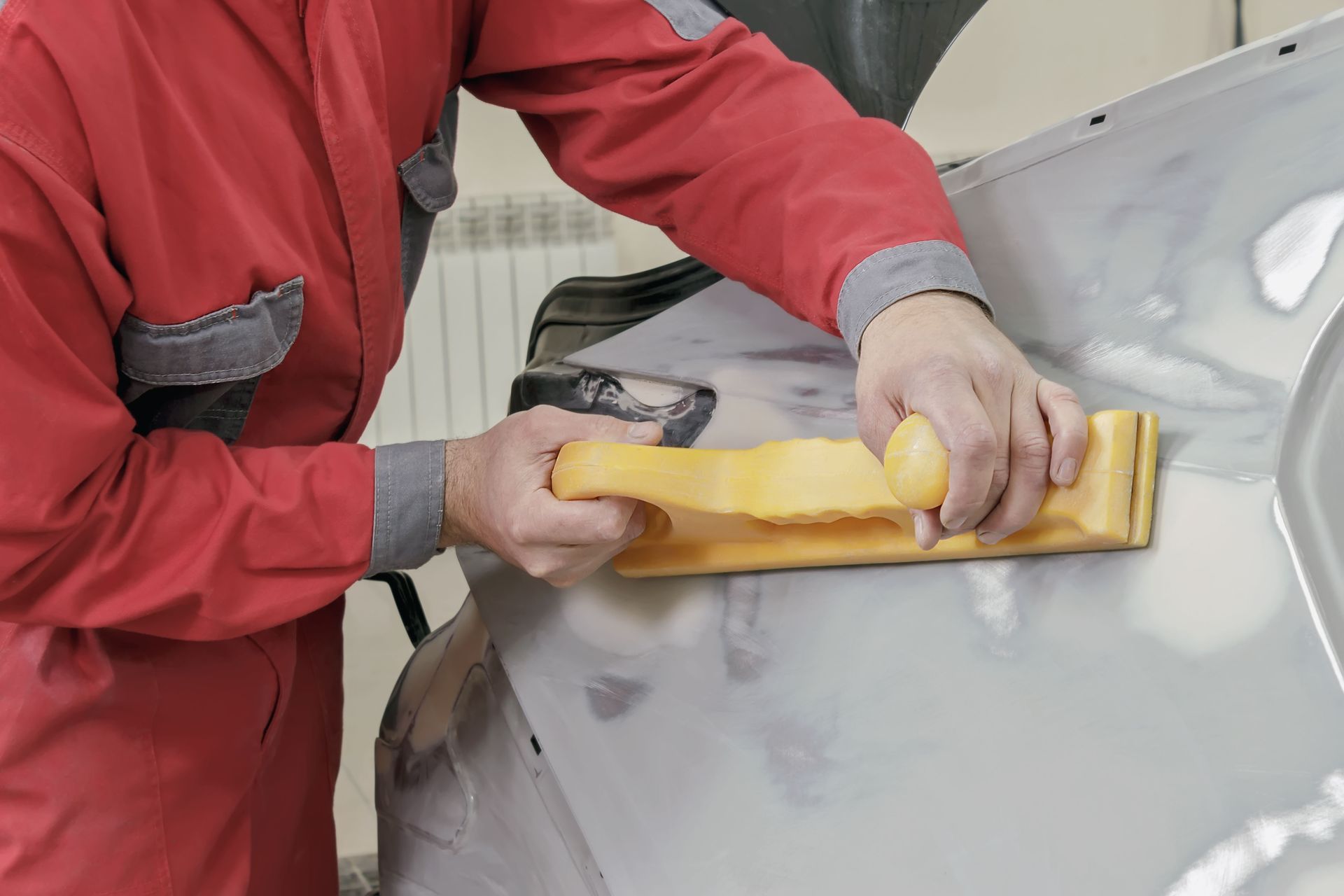
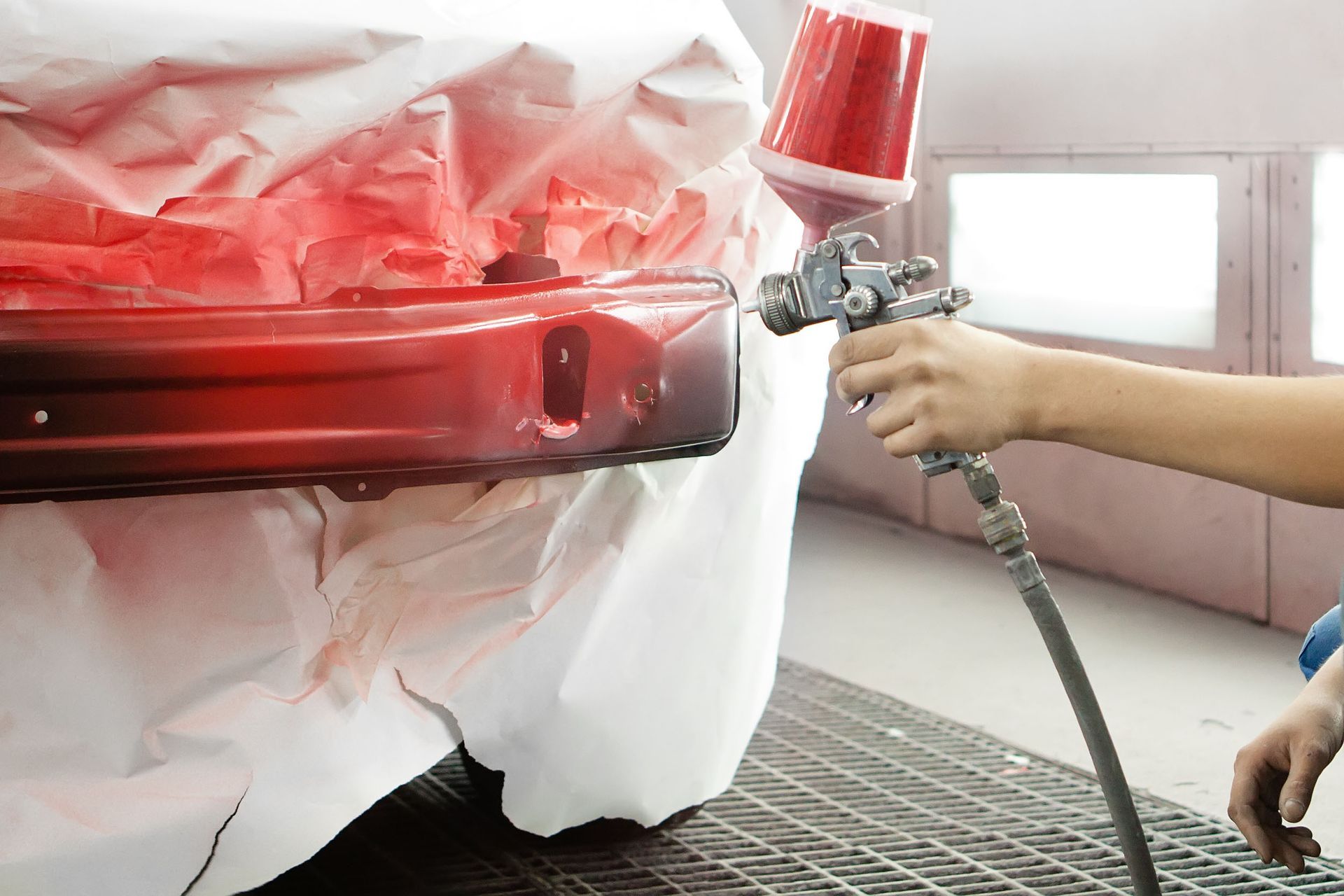
Hailstorms can leave vehicles covered in dents and dings, affecting their appearance and potentially reducing their resale value. Although some damage may seem minor, delaying professional repairs can create unnecessary complications. Scheduling paintless dent repairs promptly helps vehicle owners restore their cars while preserving the original factory finish. According to the National Alliance of Paintless Dent Repair Technicians, an estimated 50% to 70% of hail damage claims go unrepaired. This statistic highlights how frequently vehicle owners postpone or overlook necessary restoration work. At Touch-Up Pro, we understand the importance of addressing hail damage efficiently. Our professional approach helps customers evaluate their repair options, protect their vehicles, and regain confidence in their cars' appearance. Assessing Hail Damage Before Problems Develop Identifying Visible and Hidden Damage Hail can create numerous dents across a vehicle's hood, roof, trunk, and side panels. While larger dents are usually noticeable, smaller imperfections may be difficult to identify without proper lighting and inspection equipment. Our team at Touch-Up Pro evaluates affected surfaces to determine the extent of the damage and identify appropriate restoration methods. A professional assessment helps ensure that overlooked dents do not remain after the repair process. Determining Whether Paintless Repair Is Appropriate Not every dent requires conventional bodywork. When the original paint remains intact and the metal can be safely reshaped, paintless dent repairs offer an effective alternative to sanding, filling, and repainting. However, dents involving cracked paint, severely stretched metal, or inaccessible areas may require additional services. Our professional evaluations help customers understand which techniques are appropriate for their vehicles. Establishing an Accurate Repair Estimate Understanding the potential cost of hail damage restoration is essential for making informed decisions. Repair estimates generally depend on the number, size, depth, and location of dents. By scheduling an assessment promptly, vehicle owners can better understand their expected expenses and available repair options. Early estimates also provide useful information when discussing potential insurance coverage. Managing Insurance Claims More Efficiently Documenting Damage for Insurance Purposes Comprehensive auto insurance policies commonly cover hail damage, although coverage depends on individual policy terms and deductibles. Proper documentation can help support the claims process. Professional damage assessments provide valuable information about affected vehicle panels and recommended repairs. Customers can use this information when communicating with insurance representatives and reviewing proposed settlements. Understanding Coverage and Deductibles Insurance coverage varies depending on the provider and policy. Some vehicle owners may have comprehensive coverage that includes hail damage, while others may face deductibles or specific exclusions. At Touch-Up Pro, we encourage customers to review their policies and communicate directly with their insurance companies. Understanding financial responsibilities before scheduling repairs helps prevent unexpected expenses and confusion. Avoiding Unnecessary Claim Delays Major hailstorms can generate numerous insurance claims within a short period. Waiting several weeks to begin the process may create additional scheduling challenges, particularly when repair facilities experience increased demand. Arranging an early inspection can help customers obtain the information needed to move forward. Although insurance processing times vary, organized documentation and timely communication can make the experience more manageable. Preserving Your Vehicle's Original Appearance Maintaining the Factory Paint Finish One of the primary advantages of paintless dent repairs is the ability to restore eligible damaged panels without replacing the original paint finish. Traditional bodywork may involve sanding, fillers, primers, and repainting. Paintless techniques instead use specialized tools to carefully reshape the metal when conditions permit. Preserving factory paint helps maintain a consistent exterior appearance while avoiding potential color-matching concerns associated with conventional refinishing. Improving Exterior Appearance Even small hail dents can become noticeable when sunlight reflects across a vehicle's surface. Multiple imperfections may make an otherwise well-maintained car appear neglected. Professional restoration helps return affected panels closer to their original contours. At Touch-Up Pro, we focus on careful workmanship and attention to detail, helping customers achieve an attractive, consistent exterior finish. Supporting Long-Term Resale Value Visible hail damage can influence how potential buyers evaluate a vehicle. Dented panels may raise questions about previous damage, maintenance, and overall condition. Scheduling paintless dent repairs can improve a vehicle's presentation before a future sale or trade-in. While resale values depend on several factors, addressing cosmetic imperfections may help protect the vehicle's market appeal. Maintaining documentation of completed professional work can also provide useful information for prospective buyers. Choosing Professional Repairs Over Temporary Solutions Using Specialized Repair Equipment Successful dent restoration requires appropriate tools, technical knowledge, and an understanding of automotive panel construction. Professional technicians evaluate dent locations, metal flexibility, and access points before selecting a repair method. At Touch-Up Pro, we recognize that every vehicle presents different restoration challenges. Professional techniques allow us to approach eligible dents carefully while minimizing unnecessary alterations to surrounding surfaces. Avoiding Additional Surface Damage Improper attempts to remove dents can stretch metal, damage protective coatings, or create new imperfections. Household tools and unverified repair techniques may turn relatively straightforward damage into a more complicated restoration project. Professional paintless dent repairs eliminate the need for customers to experiment with potentially damaging methods. Working with experienced specialists provides a more reliable approach to evaluating and correcting hail-related dents. Selecting the Appropriate Repair Method Some vehicles experience a combination of shallow dents and more significant impact damage. In these situations, a single repair technique may not address every affected area. A thorough inspection helps determine whether paintless methods are suitable or whether conventional bodywork is necessary. Choosing the correct approach from the beginning supports efficient restoration and realistic expectations. Planning Repairs Before Demand Increases Securing Convenient Appointment Times Following a widespread hailstorm, automotive repair businesses may receive an unusually high volume of inquiries. Appointment availability can become limited as more drivers seek assessments and restoration services. Contacting Touch-Up Pro early allows customers to discuss scheduling options before demand potentially increases. Availability depends on current workloads, but proactive planning can reduce uncertainty. Reducing Disruptions to Daily Transportation Vehicle repairs can interfere with commuting, family responsibilities, and other essential activities. Understanding the anticipated repair timeline helps customers arrange transportation when necessary. Many eligible dents can be addressed through paintless methods without the extensive refinishing procedures associated with traditional bodywork. Actual completion times depend on the severity and accessibility of the damage. Preparing for Future Vehicle Needs Drivers often rely on their vehicles for work, travel, and everyday responsibilities. Unresolved cosmetic damage can become another concern when preparing for a sale, lease return, or scheduled maintenance. Arranging paintless dent repairs before these situations arise helps vehicle owners avoid unnecessary last-minute scheduling pressure. Early planning also provides flexibility when coordinating additional automotive services. Protecting Your Investment Through Timely Restoration Preventing Unnecessary Repair Complications Hail dents do not automatically worsen simply because they remain unrepaired. However, impacts that crack or chip protective paint can expose underlying metal to moisture and potentially increase corrosion risks. Professional inspections help distinguish cosmetic dents from damage requiring additional attention. Addressing compromised finishes promptly can help prevent more expensive surface deterioration. Maintaining Confidence in Vehicle Condition Discovering hail damage can be frustrating, especially when a vehicle previously had an attractive exterior. Uncertainty about repair costs, insurance coverage, and restoration results may make the situation more stressful. At Touch-Up Pro, we believe clear communication and professional assessments help customers make confident decisions. Understanding the available options creates a more organized and manageable repair experience. Scheduling Professional Hail Damage Restoration Whether your vehicle has several noticeable dents or widespread damage across multiple panels, timely professional attention is worthwhile. Touch-Up Pro provides customers with an informed approach to evaluating hail-related cosmetic damage and identifying suitable restoration solutions. Our goal is to help preserve your vehicle's appearance while making the repair process straightforward. If your car recently experienced a hailstorm, contact Touch-Up Pro to discuss paintless dent repairs and schedule a professional damage assessment. Taking action today can help restore your vehicle's appearance and protect its long-term value.
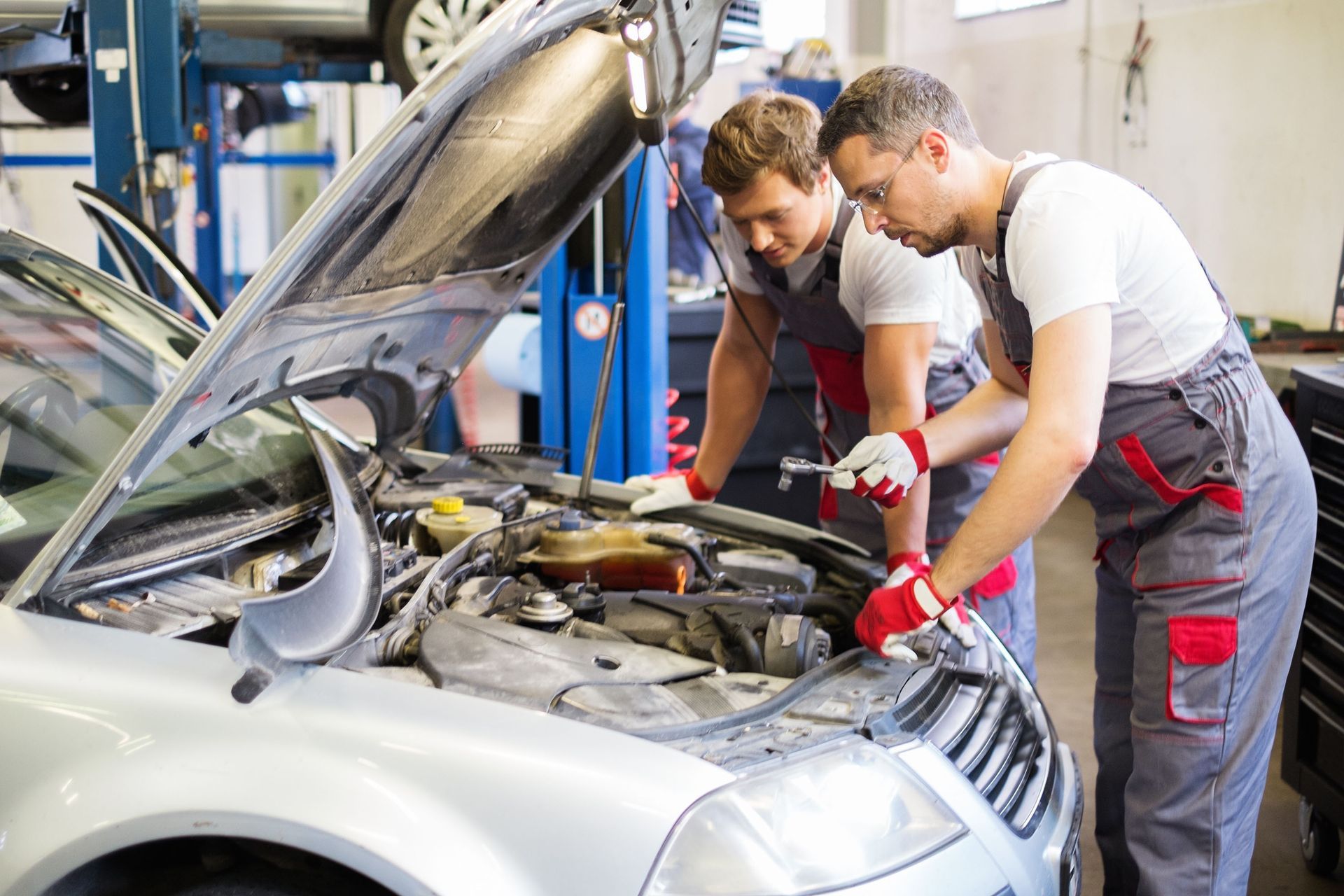
Learn how an auto body shop assesses collision damage, repairs panels, and checks safety systems. Contact Touch-Up Pro to discuss your repair options.
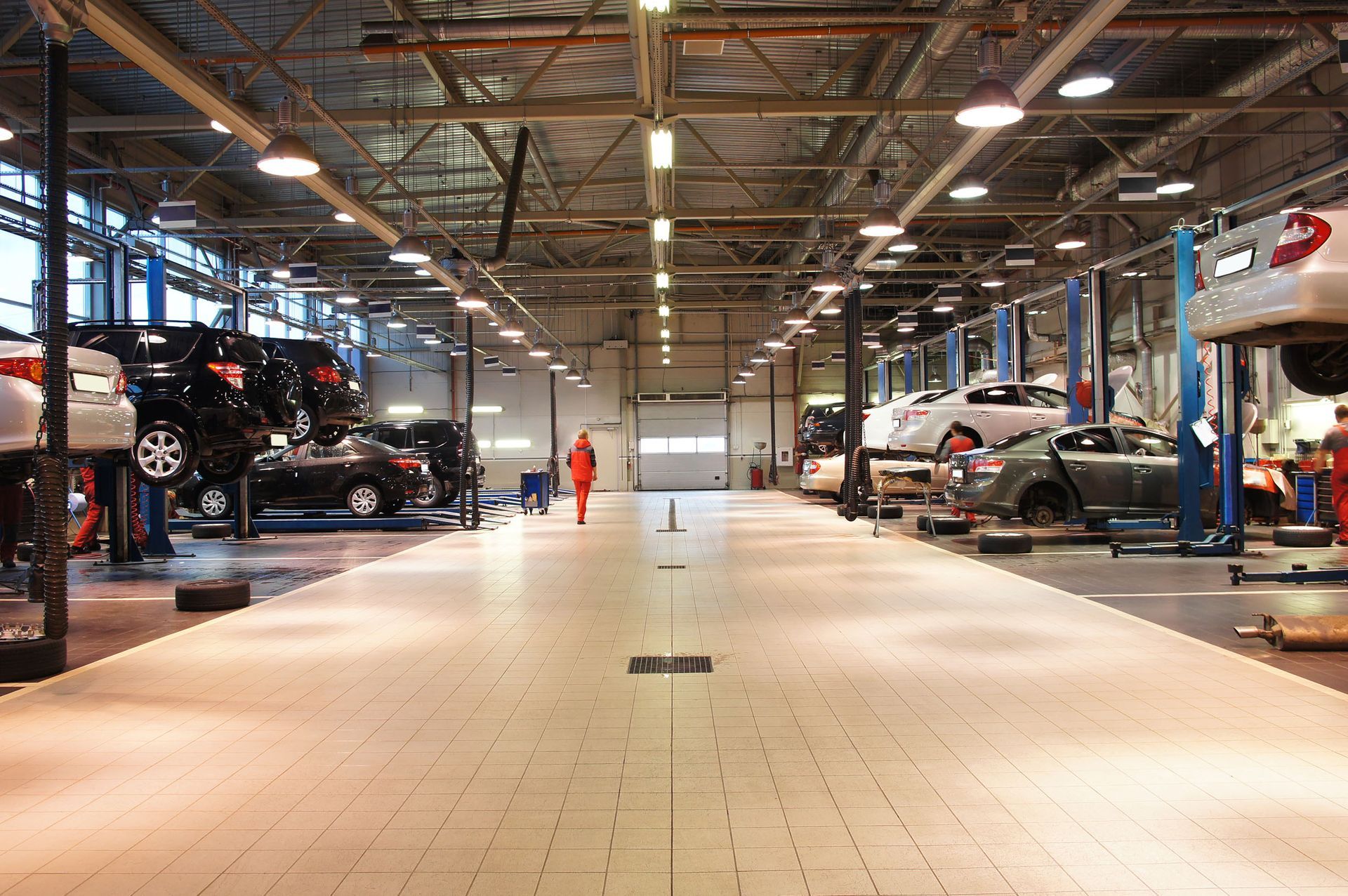
Contact Touch-Up Pro today! Schedule a collision consultation with local repair specialists for comprehensive body shop services.


